
London’s museums range from vast national collections to intimate historic houses, family science attractions and specialist museums focused on maritime, military or urban history.
The ten museums below offer meaningfully different experiences. Some can occupy most of a day, while others are better suited to a focused visit of an hour or two.
What distinguishes a rewarding museum visit?
The right choice depends on subject, available time, crowd tolerance, accessibility, temporary exhibitions and whether the visitor prefers a broad collection or a tightly defined story.
Most permanent collections are free, but timed tickets, paid exhibitions, interactive galleries, events and optional donations are common. Opening hours and gallery closures can change, so check the official website shortly before travelling.
A planned route through a few priority galleries usually produces a better visit than attempting to see an entire large museum in one session.
At a glance
| Museum | Main focus | General admission | Typical visit | Particularly useful for |
|---|---|---|---|---|
| The British Museum | World history, archaeology and material culture | Free | 2 - 4 hours | First-time visitors and ancient civilisations |
| Victoria and Albert Museum | Art, design, fashion and decorative arts | Free | 2 - 4 hours | Design, fashion, interiors and photography |
| Natural History Museum | Dinosaurs, zoology, earth sciences and biodiversity | Free | 2 - 4 hours | Families and natural science |
| Science Museum | Technology, medicine, engineering and space | Free | 2 - 4 hours | Interactive family visits and industrial history |
| IWM London | Modern conflict and its human consequences | Free | 2 - 4 hours | Twentieth-century history and testimony |
| Sir John Soane’s Museum | Architecture, antiquities and a preserved historic home | Free | 45 - 90 minutes | Intimate collections and unusual interiors |
| National Maritime Museum | Naval, oceanic, imperial and migration history | Free | 1.5 - 3 hours | Greenwich days and family learning |
| The Wallace Collection | Fine art, furniture, armour and decorative arts | Free | 1.5 - 3 hours | A quieter central collection |
| London Museum Docklands | London’s river, port, trade and dock communities | Free | 1.5 - 3 hours | London history and Canary Wharf |
| Horniman Museum and Gardens | Global cultures, music, gardens and family attractions | Free; some attractions charged | 2 - 4 hours | Families and a museum-plus-gardens day |
How much do London museums cost?
Many of London’s national and civic museums are free to enter. That normally covers the permanent collection, but not every temporary exhibition, guided tour, immersive experience or family activity.
A museum day can still involve: - paid temporary exhibitions; - cloakroom or locker charges; - audio guides; - guided tours; - cafés and restaurants; - transport; - souvenir books; - ticketed children’s galleries; - donations; - special evening events.
For a low-cost visit, select one large free museum, bring water, use public transport and decide in advance whether a temporary exhibition is worth adding. Large South Kensington museums are close together, but attempting all three in one day usually results in a rushed visit.
The British Museum
Editorially SelectedAddress: Great Russell Street, London WC1B 3DG
Phone: 020 7323 8299
Opening: Daily, 10am - 5pm; Friday until 8.30pm
Last entry: Usually 4.45pm; Friday 8.15pm
General admission: Free; advance timed booking is recommended
Website
The British Museum is a major starting point for visitors interested in archaeology and world history. Its collection spans ancient Egypt, Greece, Rome, Mesopotamia, Africa, Asia, Europe, the Americas and the Pacific, with galleries arranged more by region and period than as a single chronological route.
The Rosetta Stone, Assyrian palace reliefs, Parthenon sculptures, Egyptian mummies and Lewis Chessmen are among the best-known displays, but the museum is too large to approach as a checklist. A focused route through two or three regions produces a better visit than attempting every gallery.
The Great Court provides a useful central orientation point, yet the building can be difficult to navigate because several wings, staircases and floor levels connect unevenly. Downloading or collecting a map before entering saves time. Some galleries close temporarily for maintenance, object moves or staffing, so check the current closures page if a particular collection is essential.
General admission is free. Booking a timed ticket helps guarantee entry, especially at weekends and during school holidays. Friday late opening is useful for visitors who want a calmer evening visit, although not every gallery remains open for the full late session.
The museum’s collections also sit within ongoing debates about colonial collecting, excavation, ownership and restitution. Visitors interested in those questions should read object labels critically and explore the museum’s provenance and collection-history material rather than treating every display as culturally neutral.
Pros - One of the broadest archaeological and historical collections in London - Free permanent collection - Friday evening opening - Central location near Bloomsbury, Soho and Covent Garden
Best for: First-time London visitors and anyone interested in ancient civilisations or global material culture.
Planning tip: Choose three priority galleries before arriving and use the Friday late opening if daytime crowds are a concern.
Victoria and Albert Museum
Editorially SelectedAddress: Cromwell Road, London SW7 2RL
Phone: 020 7942 2000
Opening: Daily, 10am - 5.45pm; Friday until 10pm, although some galleries close earlier
General admission: Free; temporary exhibitions are usually ticketed
Website
The V&A presents an extensive collection of art, design and decorative culture. Its galleries cover fashion, jewellery, furniture, ceramics, metalwork, sculpture, photography, theatre, architecture and objects from across Europe, Asia and the Middle East.
Unlike a conventional painting gallery, the V&A shows how objects were designed, made, used and displayed. A visitor may move from Renaissance sculpture and Islamic ceramics to twentieth-century clothing or stage costumes within the same building.
The Cast Courts are among the museum’s most distinctive spaces, filled with monumental plaster casts of European sculpture and architecture. Elsewhere, the fashion galleries, jewellery collection, British Galleries and South Asian displays attract repeat visitors.
The museum is large and its circulation can be confusing. Several rooms connect through courtyards and staircases, and temporary gallery closures are common during display changes. A map and a short list of priorities are essential.
Friday late opening allows a more relaxed visit after the busiest family hours. The main collection remains free, while major fashion and design exhibitions can sell out and should be booked separately.
The V&A has also expanded eastwards. V&A East Storehouse and V&A East provide additional experiences in Stratford, but this entry focuses on the original South Kensington museum because it contains the broadest historic collection.
Pros - Exceptional range of fashion, design and decorative arts - Free permanent collection - Friday evening opening - Close to the Natural History and Science museums
Best for: Fashion, interiors, decorative art, photography, architecture and performance history.
Planning tip: Combine one major department with the Cast Courts rather than trying to see the entire museum in one visit.
Natural History Museum
Editorially SelectedAddress: Cromwell Road, London SW7 5BD
Phone: 020 7942 5000
Opening: Daily, 10am - 5.50pm; last entry 5.30pm
General admission: Free; a ticket helps visitors bypass some queues
Website
The Natural History Museum combines an internationally important scientific collection with one of London’s most recognisable Victorian interiors. Hintze Hall, with its suspended blue whale skeleton, provides a dramatic entrance before galleries branch into dinosaurs, mammals, minerals, human evolution, volcanoes, earthquakes and biodiversity.
The dinosaur galleries are among the museum’s best-known family attractions and become crowded early. Visitors with children should consider going directly there at opening before exploring quieter areas such as minerals or marine life.
The museum cares for tens of millions of specimens used in scientific research as well as public display. Only a small fraction is visible, so the visitor experience is less about seeing the entire collection than understanding how specimens help document species, ecosystems and planetary change.
General admission is free, but some exhibitions, experiences and events are charged. Free tickets can reduce waiting at busy periods. The museum also operates multiple entrances, and the Exhibition Road side can sometimes be more convenient than the main Cromwell Road entrance, although queue patterns change.
The building is large, and families should allow time for walking, toilets, food and rest. Several cafés operate inside, but school holidays bring heavy demand.
Pros - Strong combination of scientific content and historic architecture - Particularly engaging for children - Free permanent galleries - Broad subjects from dinosaurs to earth sciences
Best for: Families, dinosaur enthusiasts and visitors interested in biodiversity and planetary science.
Planning tip: Arrive at opening, visit dinosaurs first and leave quieter earth-science or mineral galleries for later.
Science Museum
Editorially SelectedAddress: Exhibition Road, London SW7 2DD
Opening: Daily, 10am - 6pm; last entry 5.15pm
General admission: Free; advance free booking is recommended
Paid areas: Interactive galleries, simulators, IMAX and special exhibitions may carry separate charges
Website
The Science Museum places particular emphasis on interactive learning alongside historic collections. Its galleries explore industrial machinery, transport, medicine, computing, communications, mathematics and space flight.
The permanent collection includes steam engines, aircraft, early computers, scientific instruments and medical objects. The Making the Modern World gallery provides one of the clearest routes through industrial and technological change, while the space galleries are usually the strongest draw for children.
General admission is free, but several high-demand experiences require separate tickets. Wonderlab, Power Up, IMAX films and simulators can turn a free visit into a more expensive one, particularly for families. Decide in advance which paid activity matters rather than adding several spontaneously.
The museum recommends allowing around two hours for an average visit, though families can easily stay longer. Interactive areas are busiest during weekends and school holidays.
The Science Museum is best understood as a collection about how technology changes society, not merely a children’s activity centre. Adults interested in engineering, medicine and design can build a rewarding route through the quieter upper galleries.
Pros - Strong interactive and family learning offer - Free permanent collection - Extensive engineering, medicine, computing and space displays - Open later than the neighbouring V&A and Natural History Museum on most days
Best for: Families, engineering enthusiasts and visitors interested in technology or medical history.
What to confirm: Book general admission and any paid interactive gallery together to avoid mismatched entry times.
IWM London
Editorially SelectedAddress: Lambeth Road, London SE1 6HZ
Phone: 020 7416 5000
Opening: Daily, 10am - 6pm
General admission: Free; no booking normally required
Website
IWM London examines conflict from the First World War to the present through objects, testimony, film, photographs and personal stories. Its galleries extend beyond military hardware to explore the experiences of civilians, service personnel, families and displaced communities.
The First World War Galleries provide a detailed chronological narrative, while the Holocaust Galleries require more emotional time and concentration. Visitors should not attempt to rush those displays between lighter attractions.
Large objects in the central atrium, including aircraft and vehicles, give the building immediate visual impact. The deeper value lies in smaller items - letters, clothing, diaries, recordings and personal possessions - that connect political events to individual lives.
Entry is free and advance booking is generally unnecessary. IWM suggests that a substantial visit may take several hours. Families can use trails and activity materials, though adults should decide in advance whether particular galleries are suitable for younger children.
The museum is close to Lambeth North and within reach of Waterloo and Elephant & Castle. It is less concentrated with other attractions than South Kensington, which can make the visit feel calmer.
Pros - Strong chronological and personal approach to modern conflict - Free admission without routine pre-booking - Open until 6pm - Important First World War and Holocaust galleries
Best for: Visitors interested in twentieth-century history, conflict, memory and personal testimony.
Planning tip: Allow at least three hours if the First World War and Holocaust Galleries are priorities.
Sir John Soane’s Museum
Editorially SelectedAddress: 13 Lincoln’s Inn Fields, London WC2A 3BP
Phone: 020 7405 2107
Opening: Wednesday to Sunday, 10am - 5pm; last admission usually 4.30pm
General admission: Free; walk-in entry
Capacity: Limited; queues are possible and admission may close early when full
Website
Sir John Soane’s Museum is a distinctive small museum in a preserved historic home. It occupies the former home and office of architect Sir John Soane, preserved through an Act of Parliament after his death in 1837.
The rooms are densely arranged with architectural fragments, paintings, sculpture, models, antiquities and visual jokes. Mirrors, skylights, folding picture panels and narrow passages make the house itself as important as the collection.
Highlights include the sarcophagus of Seti I, Hogarth’s painting series and Soane’s architectural models. The experience is intimate and sometimes disorientating, with objects placed above doorways, in recesses and behind movable panels.
Entry is free and advance booking is not needed for normal individual visits. Capacity is restricted, so queues develop at popular times. Groups of eight or more and ticketed tours follow separate booking arrangements.
Large bags are not suitable inside the narrow rooms. Visitors with mobility needs should review the museum’s access information carefully because the historic interiors cannot function like a purpose-built modern gallery.
Pros - Unusually atmospheric preserved historic interior - Free admission - Manageable in under two hours - Strong architecture, painting and antiquities collection
Best for: Architecture lovers, repeat London visitors and anyone who prefers small, idiosyncratic collections.
Planning tip: Arrive near opening and travel with as little luggage as possible.
National Maritime Museum
Editorially SelectedAddress: Romney Road, Greenwich, London SE10 9NF
Opening: Daily, 10am - 5pm; last entry 4.15pm
General admission: Free; booking is recommended but not normally compulsory
Website
The National Maritime Museum explores Britain’s relationship with the sea through navigation, trade, naval conflict, empire, migration, exploration and ocean science. It is part of Royal Museums Greenwich, alongside the Queen’s House, Cutty Sark and Royal Observatory.
The museum works particularly well as part of a full Greenwich day. Visitors can combine it with Greenwich Park, the Queen’s House and the riverfront, while the paid Cutty Sark and Royal Observatory can be added selectively.
Permanent galleries include maritime art, ship models, maps, naval objects and material connected to global trade and migration. The museum increasingly addresses the relationship between maritime expansion, empire and slavery rather than presenting naval history only as technological achievement.
General admission is free, and walk-in visitors are accepted, though advance tickets can guarantee entry and provide updates. Temporary exhibitions and guided tours may be charged.
Families benefit from spacious galleries, regular activities and the adjacent park. The site is farther from central London than Bloomsbury or South Kensington, so the journey is best justified by planning several Greenwich attractions together.
Pros - Broad maritime history rather than only naval warfare - Free admission - Family-friendly setting beside Greenwich Park - Easy to combine with other Royal Museums Greenwich sites
Best for: Families, maritime-history visitors and anyone planning a full day in Greenwich.
Planning tip: Use the free museum and Queen’s House as anchors, then choose only one paid Greenwich attraction unless you have a full day.
The Wallace Collection
Editorially SelectedAddress: Hertford House, Manchester Square, London W1U 3BN
Opening: Daily, 10am - 5pm
General admission: Free
Groups: Groups of six or more must book in advance
Website
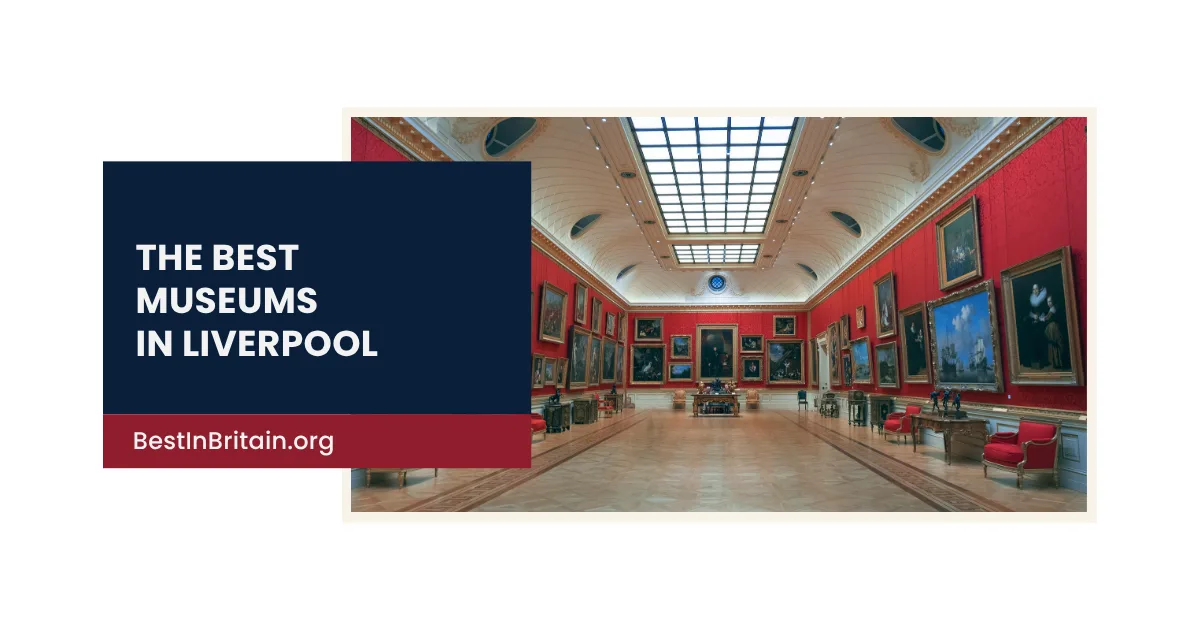
The Wallace Collection offers a smaller-scale alternative to London’s larger national museums. Displayed inside Hertford House in Marylebone, it combines Old Master paintings, French furniture, porcelain, sculpture and one of the country’s most important collections of arms and armour.
Its domestic setting changes how the objects are encountered. Paintings and furniture appear within richly furnished rooms rather than neutral white galleries, making it easier to understand collecting as part of aristocratic life.
The collection includes works by artists such as Fragonard, Boucher, Canaletto, Rembrandt and Velázquez, alongside Sèvres porcelain and elaborate eighteenth-century furniture. The armour galleries are especially useful for visitors who may not initially be drawn to decorative art.
Admission to the permanent collection is free. Temporary exhibitions may be charged. The museum provides general and sensory maps, and its compact size makes it suitable for a half-day visit.
Groups of six or more need to arrange entry in advance. Individual visitors can normally walk in.
Pros - Free central collection - Manageable scale - Strong paintings, furniture, porcelain and armour - Usually calmer than the major national museums
Best for: Fine art and decorative arts without the scale or crowds of the V&A.
Planning tip: Allow time for the armour galleries even if your main interest is painting.
London Museum Docklands
Editorially SelectedAddress: No. 1 Warehouse, West India Quay, London E14 4AL
Opening: Daily, 10am - 5pm
General admission: Free
Nearest transport: West India Quay DLR and Canary Wharf
Website
London Museum Docklands tells the history of the Thames, docks and port communities inside a surviving early nineteenth-century warehouse. It remains open while the new London Museum at Smithfield prepares to open on 28 November 2026.
The galleries trace the river’s role in trade, migration, industry and urban growth. Displays address the Roman port, medieval waterfront, expansion of the docks, transatlantic slavery, wartime damage and redevelopment into modern Docklands.
The building itself adds context. Heavy timber beams and warehouse floors provide a physical reminder that the area was built around storing and moving goods.
The reconstructed Victorian street, Sailortown, is popular with families, while other sections examine how London’s wealth and growth were connected to empire, coerced labour and global trade. Those themes make the museum useful for understanding Canary Wharf beyond its modern towers.
Admission is free, and the museum recommends allowing at least an hour, though two or three hours is more realistic for the full sequence.
Pros - Clear chronological story of London’s river and docks - Free admission - Historic warehouse setting - Convenient for a Canary Wharf visit
Best for: London history, industrial heritage and visitors staying around Canary Wharf.
Planning tip: Combine the museum with a walk through West India Quay and the modern Canary Wharf estate.
Horniman Museum and Gardens
Editorially SelectedAddress: 100 London Road, Forest Hill, London SE23 3PQ
Phone: 020 8699 1872
Museum opening: Daily, 10am - 5.30pm
Gardens: Open daily from early morning; closing time changes seasonally
General admission: Museum and gardens free; Aquarium, Butterfly House and some exhibitions are charged
Current limitation: The Natural History Gallery is closed for redevelopment and is expected to reopen in early 2027
Website
The Horniman combines museum galleries, gardens, family attractions and views across London. Its main collections cover global cultures and musical instruments, while the site also includes an aquarium, Butterfly House, café and extensive outdoor space.
The museum is especially useful for families who want a less formal day than South Kensington. Children can move between indoor galleries, gardens and paid attractions rather than spending several hours inside one large building.
The Natural History Gallery is closed as part of the Nature + Love redevelopment and is expected to reopen in early 2027. Visitors expecting the historic taxidermy displays should check the latest reopening information before travelling. The World Gallery and Music Gallery remain central parts of the free museum.
The Museum and Gardens are free, while the Aquarium, Butterfly House and temporary family exhibitions require tickets. Booking those paid areas in advance is recommended at busy times.
Forest Hill is outside the usual central museum circuit but has direct rail connections from London Bridge. The journey is most worthwhile when visitors plan to use the gardens and stay for several hours.
Pros - Museum, gardens and family attractions on one site - Free core admission - Strong music and global-cultures collections - More outdoor space than central museums
Best for: Families wanting a museum-and-gardens day away from central London crowds.
What to confirm: Check the redevelopment updates and book Aquarium or Butterfly House tickets before travelling.
Comparing museum visits properly
Free general admission does not mean every experience is included.
Check: - Timed-entry requirement - Paid exhibition - Interactive-gallery charge - Final entry time - Gallery closures - Cloakroom rules - Group-booking policy - Accessibility route - Companion ticket - Photography policy - Food options - Complete visit cost
A free large museum can still become an expensive family day once several paid attractions, food and transport are added.
Choosing between museum formats
Different museum formats suit different visitors: - Large national collection: broad subject range and several hours of walking. - Historic house: intimate rooms, limited capacity and a slower pace. - Family science museum: interactive displays and optional paid experiences. - Narrative history museum: chronological storytelling and personal testimony. - Museum-and-gardens site: indoor galleries combined with outdoor space. - Specialist collection: a focused subject such as maritime, military or London history.
The most suitable museum depends on interests and pace rather than one universal ranking.
Which London museum should you choose?
Best for a first visit to London
The British Museum provides the broadest introduction to global archaeology and history, while the V&A gives a contrasting focus on design and material culture. Choose one rather than rushing both.
Best for children
The Natural History Museum and Science Museum are the obvious central choices. Horniman offers a less crowded alternative with gardens and paid animal attractions.
Best for a quiet visit
The Wallace Collection and Sir John Soane’s Museum provide smaller-scale experiences, although the Soane can still require queuing because of its limited capacity.
Best for London history
London Museum Docklands is the most useful current option. The new London Museum at Smithfield is scheduled to open on 28 November 2026, so travellers visiting after that date should check the latest opening arrangements.
Best for a full day outside central London
National Maritime Museum and the wider Greenwich site can fill a day. Horniman also rewards a longer visit, particularly in good weather.
Best for modern history
IWM London offers the strongest sustained account of twentieth-century conflict and its effects on individuals and societies.
Crowds and quieter visiting
Large museums are busiest during weekends, school holidays and the middle of the day.
For a calmer visit: - Arrive at opening - Use late opening where available - Begin away from headline galleries - Avoid school-holiday afternoons - Book timed entry - Check quiet or relaxed sessions - Use smaller museums between major attractions
Friday evenings at the British Museum and V&A can provide a different atmosphere, although not every gallery remains open throughout the late session.
How to plan a museum day
London’s major museums are physically demanding. A large free building can tempt visitors to remain for too long, particularly when they feel they should “get their money’s worth” despite paying nothing.
A better plan is:
- Choose one main museum.
- Select three priority galleries.
- Check closures and ticket requirements.
- Allow a food and rest break.
- Add a nearby smaller museum only if energy remains.
South Kensington supports a two-museum day because the V&A, Natural History Museum and Science Museum are adjacent. Even there, one large museum plus one focused gallery in another building is usually enough.
Gallery closures and objects on display
Museums rotate objects, lend works and close galleries for maintenance or redevelopment. A famous object shown on a general highlights page may not be on display on the date of the visit.
Where a particular gallery or object is essential: - Check the closures page - Search the online collection - Contact the museum - Review temporary exhibition dates - Confirm whether the object is in a paid exhibition - Allow an alternative route
Booking free museum tickets
“Free entry” does not always mean “turn up at any time”. The British Museum, Natural History Museum and Science Museum encourage advance free tickets, especially during school holidays.
A timed ticket generally: - helps guarantee entry; - shortens some queues; - does not guarantee immediate access to every gallery; - does not include paid exhibitions; - may have a limited arrival window.
Keep the ticket available on a phone or printed copy and arrive with enough time for security checks.
Accessibility
London’s purpose-built and heavily renovated museums offer lifts, accessible toilets and step-free routes, but historic houses present greater limitations.
Before travelling, check: - step-free entrance location; - lift availability; - wheelchair or mobility-scooter policy; - seating; - induction loops; - large-print or tactile guides; - accessible toilets; - sensory maps; - quiet sessions; - companion tickets for paid exhibitions; - evacuation arrangements.
Sir John Soane’s Museum requires careful preparation because of narrow historic interiors. The Wallace Collection provides sensory maps, while the Horniman publishes access information covering lighting and noise conditions.
Request wheelchairs, mobility aids or companion arrangements in advance where the museum requires booking.
Sensitive and emotionally demanding displays
Some museums include human remains, conflict testimony, genocide, slavery, colonial violence or medical material.
Visitors may wish to check: - Gallery content warnings - Photography restrictions - Routes around sensitive displays - Age suitability - Quiet spaces - Staff support - Alternative family routes
IWM London’s Holocaust Galleries and parts of the British Museum, London Museum Docklands and medical collections may require additional preparation.
Visiting with children
Free national museums are excellent family resources, but the busiest galleries can be overwhelming.
Useful strategies include: - visiting at opening; - limiting the day to one large museum; - bringing snacks where permitted; - identifying toilets in advance; - using family trails; - booking paid interactive galleries early; - avoiding long adult-focused exhibitions unless the child is interested; - building in outdoor time.
The Natural History Museum, Science Museum, Horniman and National Maritime Museum provide the broadest family offer.
Bags, security and cloakrooms
Most large museums operate bag checks. Oversized luggage may be refused, and cloakroom arrangements vary.
Do not arrive directly from an airport or major station with large suitcases unless the museum explicitly accepts them. Use a suitable luggage-storage service instead and verify its opening hours independently.
Small historic museums are especially restrictive. At Sir John Soane’s Museum, narrow passages and fragile objects make large bags impractical.
Food and drink
Large museums have cafés and restaurants, but queues and prices can be significant. Nearby alternatives are often better value.
Food and drink are normally prohibited in galleries. Families should identify designated eating areas, particularly at IWM London and the Science Museum.
The Great Court Restaurant at the British Museum and courtyard cafés at the V&A can turn the visit into a longer occasion, but neither is essential to enjoying the collection.
Photography
Personal photography is permitted in many permanent galleries, but flash, tripods and commercial equipment may be restricted. Temporary exhibitions frequently prohibit photography.
Avoid blocking displays for extended photo sessions and respect restrictions around sensitive cultural material, human remains and temporary loans.
Changes, cancellations and complaints
Where a paid exhibition or event is cancelled, follow the museum’s ticketing terms and keep the confirmation.
For access concerns or a problem during the visit: - Speak to visitor services promptly - Record the date and location - Keep paid tickets - Note the assistance requested - Use the museum’s written feedback or complaints route
A temporary gallery closure does not normally create a right to compensation for free general admission, but separately paid tickets follow their own terms.
Frequently asked questions
Are London’s major museums really free?
Most permanent collections at the national museums are free. Paid exhibitions, events and interactive galleries are additional.
Do I need to book?
It depends on the museum. Advance free tickets are recommended for the British Museum, Natural History Museum and Science Museum. IWM London and Sir John Soane’s Museum normally accept walk-ins, though the Soane may require queuing.
Which museums are open late?
The British Museum opens until 8.30pm on Fridays. The V&A opens until 10pm on Fridays, although some galleries close earlier.
Can I visit the V&A, Natural History Museum and Science Museum in one day?
Physically, yes, but it is rarely satisfying. Choose one main museum and one or two specific galleries in a second.
Which museum is best when it rains?
All central museums work well, but the British Museum, V&A, Science Museum and IWM London can occupy several hours without going outdoors.
Which museum is best for toddlers?
The Science Museum, Horniman and National Maritime Museum have strong family facilities. The Natural History Museum is visually exciting but becomes crowded.
Is the former Museum of London open?
The former London Wall site is closed. London Museum Docklands remains open, and the new London Museum at Smithfield is scheduled to open on 28 November 2026.
Are museums open at Christmas?
Many national museums close from 24 to 26 December. Always check the official site for holiday opening.
Choosing with confidence
The British Museum provides a broad introduction to global history, while the V&A focuses on design and decorative arts. The Natural History Museum and Science Museum offer major family experiences in central London.
IWM London provides a sustained historical narrative, Sir John Soane’s Museum offers an intimate preserved interior and the Wallace Collection presents fine and decorative art on a manageable scale. The National Maritime Museum, London Museum Docklands and Horniman reward visitors willing to travel beyond the central museum circuit.
Choose by subject, pace and setting, and leave enough time to look closely rather than moving quickly between famous objects.
London Museum & Heritage Institution Market Statistics
Accredited Museums
2,460
Museums in London
ACE Museum Accreditation
100%
Arts Council England certified
Annual Museum Footfall
~1.8M
Annual museum visitors
Free Admission Ratio
70%
Free entry museum access
Primary Museum & Heritage Quarters in London
- EC/WC/W/N/E/SE/SW1 (Historic Civic Centre Museums)48% focus
- EC/WC/W/N/E/SE/SW2 (Industrial & Transport Heritage)28% focus
- EC/WC/W/N/E/SE/SW3 (Suburban Historic Houses)14% focus
- EC/WC/W/N/E/SE/SW4 (University & Science Exhibits)10% focus
Museum Collections & Specialism Split
- Civic & Local History Collections42% of venues
- Industrial & Science Exhibits32% of venues
- Historic Houses & Estates16% of venues
- Fine Art & Decorative Museums10% of venues
Related articles
Related guides

Museums and Galleries
Best art galleries in London
Explore London’s finest art galleries, from world-renowned national collections to historic houses, modern landmarks and leading contemporary spaces.
Updated 19 July 2026

Museums and Galleries
Best Exhibitions in London to See Now
A current guide to London's best exhibitions in summer 2026, covering major art retrospectives, fashion, photography, design, immersive installations and free museum displays.
Updated 1 July 2026

Museums and Galleries
The best art galleries in Edinburgh to discover and acquire exceptional works
A researched guide to Edinburgh art galleries offering contemporary prints, Scottish painting, sculpture, tapestry, ceramics and collectable works by established and emerging artists.
Updated 1 August 2026

Museums and Galleries
4 exceptional museums to visit in Glasgow
An editorial guide to the leading museums in Glasgow, highlighting Victorian civic art galleries, modern transport exhibits, and historic tenement apartments.
Updated 17 July 2026

Museums and Galleries
Top Art Galleries in Birmingham
A researched guide to eight Birmingham art galleries, covering historic collections, contemporary exhibitions, artist-led spaces, commercial art, photography, craft and experimental practice.
Updated 3 July 2026
Museums and Galleries
The 4 best museums in Liverpool for a cultural day out
An editorial selection of the premier museums in Liverpool, covering waterfront social history collections, world heritage sites, and wartime bunkers.
Updated 2 July 2026
Know a business we should consider?
Send us the details and our editorial team will review whether it fits a future guide.
Submit businessWriter profile
Gabriela Krumova
Arts, Culture & Performance Contributor
Actor, theatre director and Queen Margaret University Drama graduate with international performance experience across Edinburgh, London, New York, Paris and Venice. Gabriela has performed in and directed Edinburgh Festival Fringe productions and covers theatre, performing arts, cultural venues, live entertainment, festivals and the creative industries for Best in Britain.
Editorial Trust Standard
Independent ReviewIndependent Research
Featured rankings are editorially determined. Commercial partner listings are strictly labeled as Sponsored or Featured.
Public Register Audit
Listings are cross-checked against public regulatory registries, Companies House filings, and published fee schedules.
Regional Directory
Explore Other Verified Services in London
accountants
Top Accountants in London
marketing agencies
Top digital marketing agencies in London
private clinics
Best Home Care Services in London
solicitors
Best Immigration Lawyers in London
things to do
Best Jazz Clubs in London for Live Music
commercial property agents