
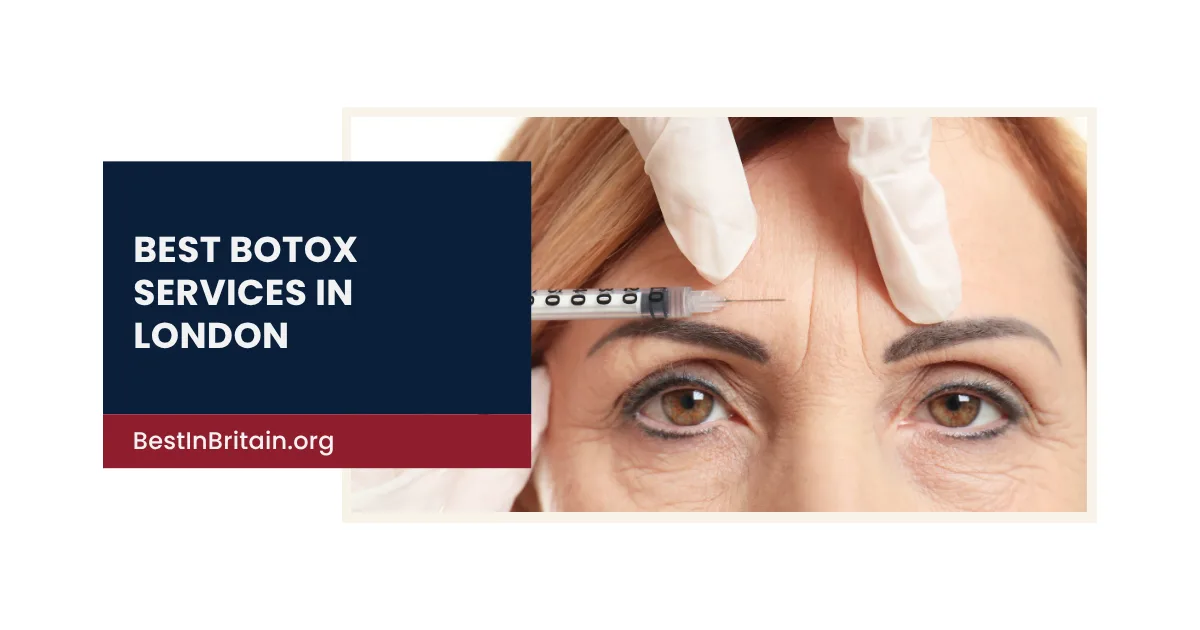
Botulinum toxin injections are widely used to soften expression lines by temporarily reducing activity in selected facial muscles. They may also be considered for concerns such as excessive underarm sweating, jaw-muscle activity and certain medically assessed conditions. The treatment is temporary, prescription only and highly dependent on the judgement, anatomical knowledge and prescribing arrangements of the practitioner.
Choosing a London clinic should therefore involve more than comparing the number of facial areas included in a package. A suitable consultation should examine facial movement, medical history, existing asymmetry, skin condition, previous injectable treatments and the patient’s expectations.
The practitioner should also explain what botulinum toxin cannot achieve. Lines that remain visible when the face is at rest may be influenced by skin ageing, sun exposure, loss of elasticity or changes in facial volume. Reducing muscle movement may soften these lines but may not remove them completely.
This guide covers seven medically led London clinics with published information about anti-wrinkle treatment, practitioner credentials, consultations and pricing. The clinics differ in size and structure, from focused injectable practices to multidisciplinary clinics offering dermatology and plastic surgery alongside non-surgical treatments.
The appropriate choice depends on the individual patient, the proposed treatment and the named practitioner who will assess, prescribe and administer the medicine. Inclusion in this guide does not represent a recommendation to proceed with treatment or a guarantee of a particular result.
Botox, botulinum toxin and anti-wrinkle injections
Botox is a registered brand name for a medicine containing botulinum toxin type A. Clinics may use Botox or another licensed botulinum-toxin product and often describe the service more generally as anti-wrinkle injections.
The medicine works by temporarily interrupting signals between nerves and selected muscles. When carefully placed into facial muscles, it can reduce the movement contributing to lines such as:
- Frown lines between the eyebrows
- Horizontal forehead lines
- Crow’s feet around the eyes
Clinics may also provide treatment in other areas, including:
- The masseter muscles of the jaw
- Chin muscles
- Downward-pulling muscles around the mouth
- Neck bands
- Muscles associated with a gummy smile
- Underarms in cases of excessive sweating
Not every use has the same licensing status. A practitioner may sometimes recommend a medicine outside its licensed cosmetic indications where clinical judgement supports doing so. This is generally referred to as off-label use.
An off-label recommendation is not automatically inappropriate, but the prescriber should explain:
- Why the treatment is being proposed
- Whether the use is licensed or off label
- The available evidence
- Expected benefits
- Known and uncertain risks
- Reasonable alternatives
- Why the prescriber considers it suitable for the patient
Botulinum toxin is a prescription-only medicine
Botulinum toxin type A is a prescription-only medicine in the UK.
A patient should receive an appropriate clinical assessment before the medicine is supplied and administered. The prescriber must be legally qualified to prescribe and should have enough information to decide whether treatment is safe and clinically appropriate.
The person carrying out the injections may be the prescriber or another suitably trained practitioner working from the prescription. Patients should understand who is responsible for each part of the process.
Before proceeding, ask:
- Who will assess me?
- Who will prescribe the medicine?
- Who will administer the injections?
- Are they the same person?
- What is their professional registration?
- Can I verify their current registration?
- What training have they completed in facial anatomy and injectable treatment?
- Who will provide follow-up care?
- Who should I contact if a complication develops?
A clinic name or Harley Street address does not replace the need to examine the credentials of the individual practitioner.
Age restrictions in England
It is unlawful to arrange or administer cosmetic botulinum-toxin injections to anyone under 18 in England.
The restriction applies even where a parent or another adult gives permission. Separate arrangements may apply where botulinum toxin is used for an approved medical purpose under appropriate healthcare supervision.
Clinics should verify a patient’s age where necessary and should not market cosmetic injectable treatment to children.
What a good consultation should cover
The consultation is an essential clinical stage rather than a sales formality.
The practitioner should take enough time to understand the patient’s health, concerns and expectations before deciding whether to prescribe.
A consultation may cover:
- Medical history
- Current medication
- Allergies
- Previous reactions
- Earlier injectable treatments
- Pregnancy or breastfeeding
- Neurological or neuromuscular conditions
- Previous facial surgery
- Eye and eyelid problems
- Facial weakness
- Skin infection or inflammation
- Headaches or migraine history
- Jaw pain or dental concerns
- Excessive sweating where relevant
- The intended treatment area
- Existing facial asymmetry
- Brow and eyelid position
- Movement at rest and during expression
- Realistic treatment limits
- Expected onset
- Expected duration
- Common side effects
- Less common complications
- Aftercare
- Review arrangements
- Total cost
Photographs may be taken with consent to document facial movement and support treatment planning. The clinic should explain how images will be stored and whether separate permission is required before they are used for marketing or education.
A responsible practitioner may recommend a different plan, suggest waiting or advise against treatment. Declining to prescribe can be an appropriate clinical decision.
What botulinum toxin can and cannot do
Botulinum toxin is most directly suited to lines influenced by repeated muscle movement.
These are sometimes called dynamic lines. They become more visible when a person frowns, smiles, squints or raises the eyebrows.
Static lines remain visible when the muscles are relaxed. They may soften after treatment but can persist because the skin has developed a crease or because other aspects of ageing contribute to the concern.
Botulinum toxin does not:
- Replace lost facial volume
- Directly improve pigmentation
- Remove every etched line
- Permanently change the face
- Tighten substantial skin laxity
- Produce identical results in every patient
- Prevent the normal ageing process
A clinic may discuss skincare, resurfacing treatments, fillers or surgery where relevant. Each additional treatment should have a separate clinical rationale, risk discussion and price.
Patients should not feel obliged to purchase a combination plan simply because several treatments are offered within the same clinic.
Understanding facial areas
Clinics often price conventional treatment according to one, two or three facial areas.
Common examples include:
- Frown lines
- Forehead lines
- Crow’s feet
An “area” is a commercial pricing description rather than a complete clinical treatment plan.
The forehead and brow are influenced by several opposing muscle groups. Treating one part without considering the others can affect brow shape or position. A practitioner may therefore recommend treating two related regions together, using a different dose or declining to inject a requested area in isolation.
Advanced treatments, including the masseter, neck or hyperhidrosis, are generally priced separately because they may require different doses, assessment and techniques.
How much do anti-wrinkle injections cost in London?
Published London prices vary according to the clinic, practitioner, product, treatment area and dose.
A conventional upper-face treatment may begin at approximately £190 to £300 for one area at clinics publishing introductory prices. Three upper-face areas frequently cost around £400 to £500, although doctor-specific fees and premium clinic pricing can be higher.
Masseter, full-face, neck and excessive-sweating treatments commonly cost more because they may involve larger muscles, higher doses or more extensive assessment.
The lowest advertised price may not represent the complete amount payable.
Ask whether the quoted amount includes:
- Initial consultation
- Prescribing assessment
- Treatment by the named practitioner
- The medicine
- A review appointment
- Any clinically appropriate adjustment
- Additional units
- Higher-dose treatment
- Separate prices for different practitioners
- Treatment for men where dose requirements differ
- Advanced or off-label areas
- Deposits
- Cancellation charges
- Aftercare
- Urgent clinical support
Treatment should not be chosen solely by price. Equally, a higher price does not guarantee a better outcome. Practitioner suitability, prescribing arrangements and follow-up care remain central.
Sloane Clinic
Editorially SelectedBusiness details
Address
10 Harley Street, London, W1G 9PF
Phone: 020 7340 1488
Business hours:
- Monday to Wednesday: 8:30 AM to 7:00 PM
- Thursday to Friday: 8:30 AM to 6:00 PM
- Saturday: 9:00 AM to 3:00 PM
- Sunday: Closed
Sloane Clinic is a medically led Harley Street practice founded by Dr Dean Rhobaye.
Its published services cover non-surgical facial aesthetics, skin health and selected minimally invasive procedures. Anti-wrinkle injections are considered within a broader assessment of facial structure, movement and skin condition rather than presented only as a fixed menu of areas.
This approach is relevant because a visible concern may have several contributing factors.
A line across the forehead may be associated with repeated muscle activity, but brow position, eyelid anatomy and the patient’s habitual expressions can influence how it should be treated. A line that remains visible at rest may also reflect skin quality or an established crease.
Sloane Clinic describes a process involving detailed facial assessment and mapping. The practitioner examines movement before identifying suitable injection points and deciding how the treatment should be distributed.
Individualised placement can be especially useful where the patient has:
- Existing asymmetry
- Previous botulinum-toxin treatment
- A naturally low or uneven brow
- A history of an unsatisfactory result
- Several facial concerns requiring coordinated planning
- Uncertainty about whether botulinum toxin is the appropriate treatment
The clinic also provides dermal fillers, skin treatments and wider facial planning. This means a patient can receive advice covering more than muscle movement where appropriate.
Any combination plan should still be considered carefully. Each treatment has its own indications and risks, and patients should understand why it is recommended before proceeding.
Dr Rhobaye’s published work places considerable emphasis on facial assessment, proportions and individually planned treatment. Patients considering the clinic should confirm whether their appointment will be with Dr Rhobaye or another member of the medical team, as practitioner availability and fees may differ.
The clinic does not present a simple one-, two- and three-area price table on the principal anti-wrinkle page. A written quotation should therefore be requested before treatment.
Sloane Clinic is likely to suit patients who prefer a doctor-led, consultation-focused approach and want their anti-wrinkle treatment considered as one part of a broader facial assessment.
Best suited to
- Patients seeking doctor-led facial assessment
- Previous-treatment concerns
- Existing facial asymmetry
- Patients considering a broader skin or facial plan
- Those who value individually mapped treatment
- Patients comfortable with bespoke rather than menu-based pricing
Treatment approach
- Medical history and suitability assessment
- Examination of facial movement
- Individualised injection planning
- Upper-face anti-wrinkle treatment
- Broader facial-aesthetics consultation
- Skin-health assessment
- Follow-up determined by the clinical plan
What to confirm
- The named practitioner
- Whether that practitioner will prescribe and inject
- Consultation cost
- Treatment price
- Product used
- Whether pricing is area or dose based
- Review arrangements
- Policy for clinically appropriate adjustments
- Emergency contact arrangements
PHI Clinic
Editorially SelectedBusiness details
Address
102 Harley Street, London, W1G 7JB
Phone: 020 7034 5999
Business hours:
- Monday to Tuesday: 9:30 AM to 6:00 PM
- Wednesday to Thursday: 9:30 AM to 8:00 PM
- Friday: 9:30 AM to 5:30 PM
- Weekend appointments: Confirm directly
Published price: Facial treatment from £195 for one area; practitioner and consultation fees vary
PHI Clinic is a Harley Street medical-aesthetics clinic founded by Dr Tapan Patel.
Its clinical team includes doctors and nurse prescribers providing injectable and skin treatments. The clinic publishes both conventional upper-face treatment and more advanced applications, with prices varying according to the practitioner and plan.
One facial area is advertised from £195. The clinic makes clear that the final amount can depend on the practitioner selected and the product recommended following consultation.
This distinction is important. A patient booking on the basis of the starting price should confirm:
- Which practitioner is available at that price
- Whether the consultation is charged separately
- Which product is included
- Whether the price covers a review
- Whether additional treatment would incur another fee
PHI’s published upper-face treatments include concerns such as frown lines, forehead lines and crow’s feet. The clinic also offers separate masseter treatment, with a published starting price substantially above a conventional single facial area.
Masseter treatment may be considered for cosmetic jaw contouring or muscle activity associated with clenching. Jaw pain and tooth grinding can have several causes, and a cosmetic injector should not replace an appropriate dental or medical assessment where symptoms require investigation.
The clinic places emphasis on preserving facial expression rather than producing complete immobility. Patients should still describe their own preference clearly because phrases such as “subtle” and “natural” can mean different things to different people.
A patient may want:
- Minimal softening
- A conventional reduction in movement
- Correction of one imbalance
- Treatment that preserves substantial expression
- A stronger effect within safe anatomical limits
The clinic’s larger medical team gives patients a choice of practitioners. It also makes it important to research the individual who will provide the treatment rather than relying only on the clinic’s overall reputation.
PHI Clinic is likely to suit patients who want an established medical-aesthetics practice, a choice of doctors or nurse prescribers and published introductory pricing.
Best suited to
- Patients comparing several medical practitioners
- Conventional upper-face treatment
- Those seeking published starting prices
- Patients considering masseter or advanced treatment
- Patients who value later weekday appointments
- Existing injectable patients seeking a larger specialist clinic
Treatment approach
- Consultation with a doctor or nurse prescriber
- Upper-face anti-wrinkle treatment
- Masseter treatment
- Wider facial planning
- Practitioner-specific pricing
- Individual assessment before prescribing
What to confirm
- The practitioner’s professional registration
- Practitioner-specific fee
- Consultation cost
- Product used
- Licensed or off-label status
- Review and adjustment policy
- Total cost of advanced areas
- Clinical contact after treatment
Cadogan Clinic
Editorially SelectedBusiness details
Address
120 Sloane Street, London, SW1X 9BW
Phone: 020 7901 8500
Business hours:
- Monday to Friday: 8:00 AM to 7:00 PM
- Saturday: 9:00 AM to 5:00 PM
- Sunday: Closed
Published price: Anti-wrinkle injections from £295; the final fee depends on the practitioner and number of areas
Cadogan Clinic is a private medical and surgical clinic on Sloane Street.
Its wider services include dermatology, plastic surgery, injectables, laser procedures and skin treatments. This multidisciplinary structure provides access to different forms of expertise within one organisation.
For a straightforward upper-face treatment, a patient may not require input from several specialties. The broader setting can nevertheless be useful where the concern involves:
- A significant skin condition
- Previous facial surgery
- Facial weakness or palsy
- An earlier injectable complication
- Uncertainty between surgical and non-surgical options
- A need for specialist dermatological assessment
Cadogan publishes anti-wrinkle treatment from £295. Its wider price guide uses a per-area structure, with the total increasing as more areas are included.
Some patients may also be charged a consultation fee. The clinic states that this should be communicated before treatment, but patients should request the full amount in writing before attending.
The clinic provides cosmetic botulinum-toxin treatment as well as information about selected functional uses. A practitioner experienced in upper-face aesthetics may not necessarily treat every medical or advanced indication.
Patients considering treatment for sweating, muscle activity or another functional concern should ask:
- Which practitioner treats that condition
- Their relevant experience
- Whether the indication is licensed
- Whether a medical investigation is advisable
- How dose and follow-up differ from cosmetic treatment
Cadogan’s private-clinic environment may appeal to patients who prefer access to dermatologists and plastic surgeons alongside non-surgical practitioners.
The value of that structure will depend on the individual concern. Patients should choose a named clinician with relevant experience rather than assuming every practitioner within a multidisciplinary clinic provides the same treatment.
Best suited to
- Patients preferring a multidisciplinary clinic
- Those requiring dermatology or plastic-surgery input
- Previous-treatment or surgical concerns
- Patients seeking a Sloane Street medical setting
- Conventional or selected advanced treatment
- Patients who value extended weekday opening
Treatment approach
- Medical consultation
- Upper-face anti-wrinkle injections
- Multi-area treatment
- Selected functional applications
- Access to dermatology and plastic-surgery services
- Practitioner-specific assessment
What to confirm
- Named practitioner
- Practitioner’s specialty
- Consultation fee
- Price for the proposed number of areas
- Review arrangements
- Prescribing process
- Whether treatment is licensed or off label
- Whether wider specialist input is actually required
Harley Street Injectables
Editorially SelectedBusiness details
Address
106 Harley Street, London, W1G 7JE
Phone: 0345 548 5658
Business hours:
- Monday to Sunday: Clinic appointments are generally available between 9:00 AM and 6:30 PM
- Practitioner schedules vary
Harley Street Injectables is a specialist non-surgical aesthetics clinic founded by Alice Henshaw, a registered nurse and independent prescriber.
Its work focuses on injectable treatments, skin procedures and facial planning rather than operating as a general medical or surgical practice.
The clinic publishes a broad botulinum-toxin range including:
- Upper-face treatment
- Baby Botox
- Masseter and jaw-slimming treatment
- Chin treatment
- Lip-flip treatment
- Gummy-smile correction
- Neck-band treatment
- Excessive-sweating treatment
- Calf and trapezius treatment
- Selected therapeutic applications
Some of these uses may be off label. The prescriber should explain the licensing position and clinical reasoning for the exact treatment rather than relying only on the service name.
Harley Street Injectables places particular emphasis on full-face assessment. This involves considering how different muscles interact and how treatment in one region may affect the appearance or movement of another.
This approach can be useful for patients who have previously treated the same standard areas repeatedly and want a wider review of facial movement.
The clinic also offers treatments described as Baby Botox. This term is generally used for a more conservative treatment involving smaller or more precisely distributed doses.
It is not a separate medicine or a standardised dose. A patient should ask:
- Which product will be used
- The treatment objective
- How the dose differs from conventional treatment
- What movement is expected to remain
- Whether the price differs
- Whether the treatment is suitable for their anatomy
The clinic publishes prices for its injectable services, although fees and availability may differ between practitioners.
Harley Street Injectables is likely to suit patients who want a focused injectable practice and are interested in a full-face or movement-based assessment.
People seeking treatment for a significant neurological, dermatological or medical problem may require additional assessment from an appropriately specialised clinician.
Best suited to
- Patients seeking a specialist injectable clinic
- Full-face movement assessment
- Previous anti-wrinkle patients reviewing their plan
- Conservative-dose treatment
- Masseter and lower-face applications
- Patients seeking appointments across the week
Treatment approach
- Assessment by a medical practitioner
- Upper-face treatment
- Full-face planning
- Conservative-dose options
- Masseter and lower-face treatment
- Treatment for excessive sweating
- Wider non-surgical facial care
What to confirm
- Named prescriber
- Named injector
- Professional registration
- Practitioner-specific price
- Exact product
- Dose and treatment objective
- Licensed or off-label status
- Review and adjustment policy
- Clinical escalation arrangements
Skin Science Clinic
Editorially SelectedBusiness details
Address
65 Connaught Street, London, W2 2AE
Phone: 020 7018 4343
Business hours:
- Monday: Closed
- Tuesday to Saturday: 10:00 AM to 7:00 PM
- Sunday: Closed
Published prices:
- One area: £270
- Two areas: £360
- Three areas: £430
- Consultation with Dr Adil Sarwar: £100
- Review and clinically appropriate adjustment are stated as included
Skin Science Clinic is a doctor-led Connaught Street practice founded by Dr Adil Sarwar, whose published qualifications include MBBS, BSc and MRCGP.
The clinic provides non-surgical facial, skin, scalp and hair treatments, with anti-wrinkle injections delivered within a named-doctor model.
Its pricing is among the clearest in this guide. The clinic publishes:
- £270 for one area
- £360 for two areas
- £430 for three areas
It states that review and appropriate adjustment appointments are included. A consultation with Dr Sarwar is published separately at £100.
Patients should confirm whether the consultation fee applies to their booking and whether it is charged in addition to the treatment price.
The clinic’s area-based prices help with budgeting, but the clinical plan should still determine which muscles are treated.
A patient requesting only forehead treatment may be advised that the frown region also needs consideration because the balance between brow-elevating and brow-depressing muscles can influence the result.
The clinic also publishes treatment for hyperhidrosis, including excessive underarm sweating.
This requires a different assessment and injection pattern from facial treatment. Patients should discuss:
- Severity and duration of symptoms
- Previous treatment
- Potential underlying causes
- Product and dose
- Expected duration
- Price
- Follow-up
- Whether another medical assessment is appropriate
Skin Science describes an appointment model intended to provide enough time for consultation rather than operating a high-volume schedule. This may appeal to first-time patients or those who want continuity with one named doctor.
The clinic is particularly suitable for patients prioritising published upper-face prices, doctor-led care and a stated review process.
Best suited to
- First-time patients
- Those seeking one named doctor
- Patients wanting clear one-, two- and three-area prices
- Upper-face anti-wrinkle treatment
- Patients considering hyperhidrosis treatment
- Those who value a defined review policy
Treatment approach
- Consultation with Dr Adil Sarwar
- Upper-face anti-wrinkle treatment
- Area-based pricing
- Review and clinically appropriate adjustment
- Treatment for excessive sweating
- Wider skin and facial assessment
What to confirm
- Whether the £100 consultation is additional
- Which areas are clinically appropriate
- Product used
- Review timing
- Definition of an appropriate adjustment
- Price for advanced areas
- Emergency contact procedure
- Professional registration details
111 Harley Street
Editorially SelectedBusiness details
Address
111 Harley Street, London, W1G 6AW
Phone: 0344 692 1111
Business hours:
- Monday: 9:30 AM to 6:30 PM
- Tuesday to Thursday: 9:30 AM to 8:00 PM
- Friday: 9:30 AM to 6:00 PM
- Saturday: 10:00 AM to 4:00 PM
- Sunday: Closed
Published prices:
- One area: From £240
- Two areas: From £360
- Three areas: £480
- Full face: From £550
- Masseter: From £600
- A review and assessed top-up are stated as included
111 Harley Street is a plastic-surgery and non-surgical aesthetics clinic founded by plastic surgeon Dr Yannis Alexandrides.
Its services include surgical procedures, facial injectables, skin treatments and broader aesthetic care. Botulinum-toxin procedures are performed by doctors or aesthetic nurses within the clinic’s medical team.
The clinic publishes detailed starting prices across conventional and advanced areas.
This makes it easier for patients to distinguish between a standard upper-face appointment and treatments involving larger muscles or more extensive planning.
Its published prices include:
- One area from £240
- Two areas from £360
- Three areas at £480
- Full-face treatment from £550
- Masseter treatment from £600
Prices should still be confirmed for the named practitioner and individual plan.
The clinic states that the price includes a review, normally around two weeks after treatment, and a top-up where the practitioner considers one appropriate.
A top-up should not be treated as an automatic entitlement to additional medicine. At review, the practitioner should assess:
- Whether the treatment has taken full effect
- Symmetry
- Remaining muscle activity
- Brow and eyelid position
- Whether further treatment would improve or unbalance the result
- Whether additional medicine would increase risk
The clinic also offers treatment described as Baby Botox, as well as full-face, masseter, neck and hyperhidrosis options.
As with every clinic, these labels should be translated into a clear clinical plan describing the product, intended muscles, dose and expected result.
The presence of both surgical and non-surgical services may be useful where a patient is uncertain which approach is appropriate.
A balanced consultation should explain the limits of injections and should not imply that repeated botulinum-toxin treatment can reproduce the effect of surgery.
111 Harley Street is likely to suit patients who value detailed published pricing and want access to a clinic offering both non-surgical and surgical consultations.
Best suited to
- Patients wanting published multi-area pricing
- Conventional upper-face treatment
- Full-face or masseter treatment
- Those seeking a clinic with surgical and non-surgical expertise
- Patients needing later weekday appointments
- Those who value a stated two-week review
Treatment approach
- Treatment by doctors or aesthetic nurses
- Upper-face anti-wrinkle injections
- Full-face planning
- Masseter treatment
- Baby Botox
- Neck and hyperhidrosis options
- Two-week review and assessed adjustment
What to confirm
- Named practitioner
- Whether the injector is also the prescriber
- Practitioner-specific price
- Product used
- Licensing status
- Review timing
- Criteria for an adjustment
- Consultation charge
- Aftercare and emergency contact
Dermamina
Editorially SelectedBusiness details
Address
114 New Cavendish Street, London, W1W 6XT
Phone: 020 7099 6650
Business hours:
- Monday to Saturday: 9:30 AM to 8:30 PM
- Sunday: 10:00 AM to 7:00 PM
Published price: Anti-wrinkle treatment from £190
Dermamina is a central London non-surgical aesthetics clinic providing facial injectables, skin procedures, laser treatments and body services.
Its published anti-wrinkle price begins from £190, placing it among the lower advertised starting figures in this selection.
Patients should establish what that amount covers. Starting prices may relate to:
- One limited treatment area
- A particular practitioner
- A particular product
- A defined dose
- Treatment excluding consultation or review
- Selected appointment times
The clinic should provide the complete price after assessing the patient and agreeing on the plan.
Dermamina offers treatment for conventional expression lines as well as selected advanced applications. The breadth of its non-surgical services allows patients to discuss concerns involving skin quality, facial movement or other aspects of appearance.
A broad treatment range can be convenient, but each recommendation should stand on its own clinical reasoning. Patients should avoid booking several injectable or energy-based procedures together without understanding the combined recovery, side effects and timing.
The clinic publishes a relatively brief procedure time for anti-wrinkle injections.
The act of administering the injections may take only several minutes. The complete appointment should still allow time for assessment, prescription, consent, photography where appropriate and aftercare.
Results do not appear immediately. Muscle activity usually changes gradually after treatment, and the result should not be judged on the first day.
Dermamina’s long opening pattern is one of its practical advantages. Evening and Sunday appointments may make consultations and reviews easier for patients working conventional hours.
As a clinic with several practitioners, patients should check the professional background of the individual assigned to their appointment.
Dermamina is likely to suit patients who value central convenience, broad appointment availability and a clearly advertised starting price.
Best suited to
- Patients requiring evening appointments
- Sunday availability
- Central London convenience
- Conventional upper-face concerns
- Those comparing lower starting prices
- Patients interested in wider non-surgical skin services
Treatment approach
- Individual consultation
- Upper-face anti-wrinkle injections
- Selected advanced treatment areas
- Broader skin and injectable services
- Extended appointment availability
- Treatment plans based on the assessed concern
What to confirm
- What the £190 price includes
- Named prescriber
- Named injector
- Professional registration
- Consultation fee
- Product and dose
- Review arrangements
- Price for additional or advanced areas
- Emergency support
Comparing London anti-wrinkle clinics
The clinics in this guide offer different structures rather than one identical service.
Sloane Clinic provides a doctor-led, individually mapped approach that may appeal to patients with previous treatment, asymmetry or broader facial concerns.
PHI Clinic offers a large specialist medical team, published starting prices and a choice of practitioners.
Cadogan Clinic operates within a multidisciplinary medical setting with dermatology and plastic-surgery services available across the wider clinic.
Harley Street Injectables focuses specifically on non-surgical aesthetics and full-face injectable planning under a nurse-prescriber-led model.
Skin Science Clinic provides named-doctor continuity and clearly published prices for one, two and three conventional areas.
111 Harley Street publishes detailed prices across standard and advanced areas and combines non-surgical treatment with access to a plastic-surgery practice.
Dermamina provides extended opening hours, Sunday appointments and one of the lowest advertised starting prices in this selection.
At-a-glance comparison
| Clinic | Area | Published starting price | Clinical structure | Particularly relevant to |
|---|---|---|---|---|
| Sloane Clinic | Harley Street | Quotation after consultation | Doctor-led facial-aesthetics clinic | Bespoke facial assessment |
| PHI Clinic | Harley Street | From £195 | Doctors and nurse prescribers | Choice of specialist practitioners |
| Cadogan Clinic | Sloane Street | From £295 | Multidisciplinary private clinic | Access to dermatology and surgery |
| Harley Street Injectables | Harley Street | Check current price list | Specialist injectable practice | Full-face and movement-based planning |
| Skin Science Clinic | Connaught Street | £270 for one area | Named-doctor clinic | Clear upper-face pricing |
| 111 Harley Street | Harley Street | From £240 | Surgical and non-surgical clinic | Published standard and advanced prices |
| Dermamina | New Cavendish Street | From £190 | Multi-practitioner aesthetics clinic | Evening and weekend availability |
How to compare practitioners
The treating practitioner is more important than the clinic’s postcode.
Ask for the practitioner’s full name before booking and verify their registration through the appropriate professional body.
Depending on their profession, this may include:
- General Medical Council for doctors
- Nursing and Midwifery Council for nurses
- General Dental Council for dentists
- General Pharmaceutical Council for pharmacist prescribers
Registration confirms that the individual belongs to a regulated profession. Patients should also ask about training and practical experience specific to botulinum toxin.
Useful questions include:
- How long have you provided this treatment?
- How frequently do you perform it?
- Do you regularly treat my requested area?
- Who trained you?
- How do you manage eyelid or brow drooping?
- What happens if the result is asymmetrical?
- Can you provide clinical support after the appointment?
- Do you carry appropriate professional indemnity insurance?
- Who is responsible if someone else prescribed the medicine?
A practitioner should be willing to answer these questions without making the patient feel difficult or rushed.
Reviews and before-and-after photographs
Reviews can provide context about communication, appointments and individual experiences. They cannot predict how another patient will respond medically or aesthetically.
Before-and-after images may help demonstrate the practitioner’s treatment style, but they should be viewed carefully.
Consider:
- Whether lighting is consistent
- Whether facial expression is comparable
- Whether makeup differs
- Whether the images show the same angle
- How long after treatment the second image was taken
- Whether the patient consented to publication
- Whether the examples resemble the proposed treatment
A responsible clinic should not guarantee that another patient will receive the same result.
Review and adjustment appointments
Botulinum toxin takes time to develop its full effect.
Many clinics arrange a review around two weeks after treatment. This allows the practitioner to examine the result after the medicine has had sufficient time to act.
The review may consider:
- Symmetry
- Residual movement
- Brow position
- Eyelid position
- Patient satisfaction
- Unwanted weakness
- Whether any adjustment is clinically appropriate
An adjustment is not always advisable.
Adding more product can increase weakness, alter expression or unbalance the brow. A practitioner may recommend waiting, allowing the treatment to wear off naturally or declining an additional injection.
Patients should ask how long they have to attend the review and whether adjustments are included in the original fee.
Possible side effects and complications
Botulinum-toxin injections are commonly performed, but no injectable procedure is free of risk.
Possible effects include:
- Pain or tenderness
- Redness
- Swelling
- Bruising
- Headache
- Temporary asymmetry
- Unwanted weakness
- Eyebrow drooping
- Eyelid drooping
- Dry or irritated eyes
- Changes in smile or facial expression
- An unsatisfactory aesthetic result
- Infection at an injection site
Rare but potentially serious effects can occur if the action of the toxin spreads beyond the intended area.
Urgent medical advice should be sought following symptoms such as:
- Difficulty breathing
- Difficulty swallowing
- Difficulty speaking
- Widespread weakness
- A severe allergic reaction
- Rapidly worsening or otherwise concerning symptoms
The clinic should provide written aftercare and a contact route for clinical concerns.
Preparing for treatment
The clinic should provide personalised instructions based on the patient’s medical history.
Patients should disclose all prescribed and non-prescribed medicines, supplements and previous procedures. Medication should not be stopped without advice from an appropriate healthcare professional.
Treatment should be postponed where clinically appropriate, including where the patient has an infection or inflammation around the planned injection site.
It is sensible to avoid scheduling a first treatment immediately before:
- A wedding
- A major work event
- Professional photographs
- International travel
- Another important occasion
Bruising, swelling, asymmetry or an unexpected result may take time to resolve.
Questions to ask before treatment
-
Who will prescribe the medicine? Ask for their full name and professional registration.
-
Who will perform the injections? The injector and prescriber may be different people.
-
Will the prescriber assess me directly? The assessment should be sufficient for a safe prescribing decision.
-
Which product will be used? Ask for the actual medicine rather than relying only on the word Botox.
-
Is this a licensed or off-label use? The practitioner should explain the distinction.
-
Why is this treatment suitable for me? The answer should refer to anatomy and clinical assessment.
-
What result is realistic? The practitioner should describe limits as well as potential benefits.
-
Could it affect my brow or eyelids? Individual anatomy influences this risk.
-
What is the complete price? Include consultation, treatment and review.
-
Is a review included? Ask when it takes place and how it is booked.
-
When would you decline a top-up? Additional medicine should be based on clinical judgement.
-
What should I do if something goes wrong? Obtain the clinic’s clinical contact details.
-
How are complications managed? The clinic should have a clear pathway.
-
What insurance does the practitioner hold? Appropriate professional protection should be in place.
-
How long should I wait before an important event? Allow time for the treatment to settle and for possible bruising.
When not to proceed
Do not proceed when:
- The prescriber has not carried out an appropriate assessment
- The clinic will not identify the medicine
- The practitioner’s credentials cannot be verified
- Risks are dismissed or minimised
- The result is guaranteed
- You are pressured into additional treatments
- The price changes without explanation
- There is no clinical contact for complications
- You do not understand the consent information
- You feel uncertain or need more time
A patient is entitled to leave the consultation without treatment.
Our selection approach
Best in Britain reviews publicly available information about each clinic’s medical structure, practitioner credentials, consultation process, published pricing, treatment information and follow-up arrangements.
Inclusion does not constitute medical advice or an endorsement of treatment for an individual patient.
Professional registrations, prices, clinic teams and review policies can change. Patients should verify the named practitioner and complete treatment terms directly before booking.
The result of botulinum-toxin treatment depends on anatomy, dose, placement, product, previous treatment and individual response. No clinic can guarantee an identical result for every patient.
London Hair & Beauty Salon Market Statistics
Registered Hair & Beauty Salons
1,450
Active salons in London
HABIA / BABTAC Certified
88%
Certified salon stylists & therapists
Hairdressing vs Aesthetics
54% / 46%
Service focus ratio
Real-Time Online Booking
84%
Digital appointment scheduling
Top Salon & Beauty Quarters in London
- W1 (Mayfair & Soho Luxury Salons)42% focus
- SW3 (Chelsea & Knightsbridge Aesthetics)26% focus
- E1 (Shoreditch Creative Hair Studios)18% focus
- N1 (Islington Boutique Beauty Bars)14% focus
Treatment Categories & Booking Split
- Hair Styling, Precision Cutting & Colouring40% of bookings
- Clinical Skincare & Facial Aesthetics28% of bookings
- Nail Care, Gel Manicures & Pedicures18% of bookings
- Lash, Brow & Semi-Permanent Makeup14% of bookings
Related articles
Related guides

Private Clinics
Best Home Care Services in London
A researched guide to six London home-care providers, covering visiting care, live-in care, nursing, dementia support, current costs, CQC ratings, funding and choosing a safe service.
Updated 22 July 2026

Private Clinics
Best IVF Clinics in London
A researched guide to six London IVF clinics, covering HFEA licensing, current prices, success-rate interpretation, medication, add-ons, counselling, donor treatment and choosing safe fertility care.
Updated 14 July 2026

Private Clinics
Best Fertility Clinics in London
A researched guide to six London fertility clinics, covering IVF, IUI, egg freezing, donor treatment, current costs, HFEA data, treatment add-ons and choosing the right clinic.
Updated 6 July 2026
Private Clinics
Best Hair Transplant Clinics in London
A researched guide to six London hair transplant clinics, covering FUE and FUT, current prices, CQC checks, surgeon credentials, donor management, risks, medication and aftercare.
Updated 2 July 2026
Private Clinics
Best Laser Eye Surgery Clinics in London
A researched guide to six London laser eye surgery clinics, covering LASIK, LASEK, SMILE, current prices, CQC registration, surgeon checks, risks, aftercare and choosing safe vision correction.
Updated 2 July 2026

Private Clinics
Top Sexual Health Clinics in London
A practical guide to NHS sexual health clinics in London, covering STI testing, contraception, PrEP, PEP, HIV care, urgent access, confidentiality and specialist support.
Updated 27 June 2026
Know a business we should consider?
Send us the details and our editorial team will review whether it fits a future guide.
Submit businessWriter profile
Sophie Brown
Health and wellness desk researcher
Sophie compiles research for private clinics, dental practices, therapists, physiotherapy clinics, and wellness providers.
Editorial Trust Standard
Independent ReviewIndependent Research
Featured rankings are editorially determined. Commercial partner listings are strictly labeled as Sponsored or Featured.
Public Register Audit
Listings are cross-checked against public regulatory registries, Companies House filings, and published fee schedules.
Regional Directory
Explore Other Verified Services in London
accountants
Top Accountants in London
marketing agencies
Top digital marketing agencies in London
private clinics
Best Home Care Services in London
solicitors
Best Immigration Lawyers in London
things to do
Best Jazz Clubs in London for Live Music
commercial property agents